New Concrete Driveways for Busy Households
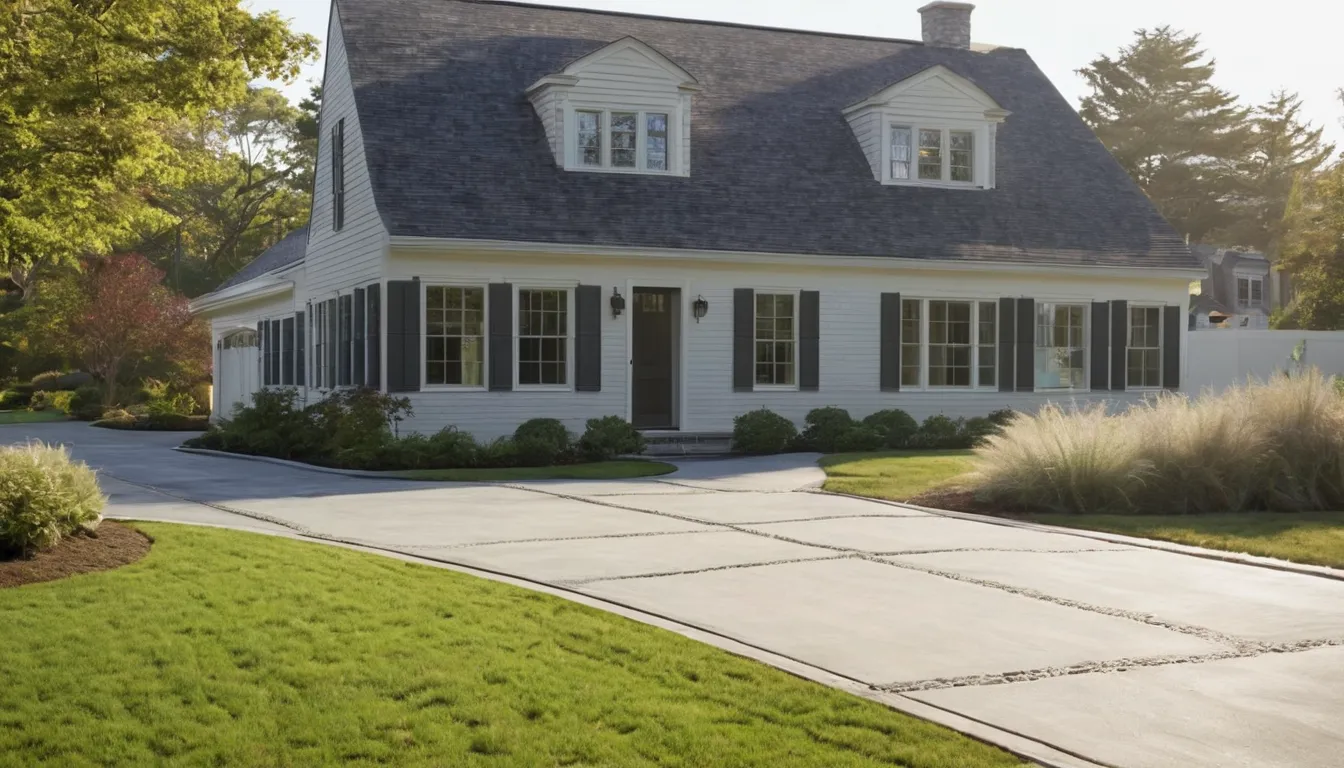
A new concrete driveway touches every part of your day. It decides where the cars go, how the kids get to the bus, and how safely you walk to the door in winter. That is why a little planning up front saves a lot of stress later.
Gamingsteady Concrete is a referral service. We do not pour concrete. We connect homeowners in the Stamford area with independent local providers in our network who do. This page explains what to look for, what to skip, and what to ask before anyone sets a form. Use it to start a clear, calm conversation with a provider.
Plan before you pour
A driveway is one of the hardest things to change once it is done. Concrete sets, and mistakes set with it. A few careful choices now keep the job safe, keep it short, and keep it from being redone.
This page walks through the steps in order, from the most time-sensitive to the least.
Is it time to replace your driveway?
Cold snowy winters are hard on concrete. Water seeps in, freezes, expands and breaks the surface from within. Spring snowmelt then carries more water into every gap. Over many seasons, a driveway that looked fine can fail quickly.
Signs a new driveway makes sense
Look for these problems:
- Wide cracks that run across the full slab
- Sections that sit higher or lower than their neighbors
- Flaking, crumbling or pitted surface
- Water pooling instead of running off
- Gaps where the slab pulls away from the garage or walkway
One or two problems may be fixable. Several together usually point to a replacement.
Repair or replace: a quick check
Small surface cracks often need only sealing. Many homeowners search for concrete driveway repair first, and that can be the right call for minor wear. But patching a slab that has sunk or broken apart rarely lasts. Ask a provider to look at the whole surface and explain which path makes sense.
Safety first: do this, skip that
A cracked or heaved slab is a trip hazard. Do mark raised edges with cones or bright tape. Do keep children and elderly relatives off damaged areas. Skip stacking salt or sand on a failing slab, because it can speed up the damage. Skip driving heavy vehicles over sunken spots.
What a new driveway project includes
Most projects follow the same order. The old slab is broken up and hauled away. The ground is graded so water runs away from the house. A compacted gravel base goes down. Forms mark the edges, and reinforcement is set inside them. The concrete is poured, leveled, finished and cut or tooled with control joints. Then it cures.
Providers in our network may handle all of this or only part of it, so ask for the scope in writing.
Choosing size, thickness and finish
Size comes first. Measure how many cars you park, how wide the turning space needs to be, and where guests will stop. A wider spot near the door makes loading groceries and car seats easier.
Thickness depends on the vehicles. Many home driveways use about four inches. Heavier trucks or delivery vehicles may call for more. A provider can advise based on your soil and use.
For finish, a light broom texture gives grip when wet or icy. Smooth finishes look neat but can be slippery. Do pick traction over looks near steps and slopes.
Built to last winters
Cold climates ask more of concrete. Ask whether the mix is air-entrained, which helps it handle freeze-thaw cycles. Ask about the gravel base and about drainage. Ask about joint spacing, since planned joints help cracks stay tidy instead of wandering.
Protect the foundation and drainage
Older homes with stone or block foundations are sensitive to water. A driveway that slopes toward the house sends meltwater to the wall. Do ask that the slope runs away from the foundation. If you already see wall cracks or damp basement walls, talk to foundation repair experts before pouring. Fixing the wall first is easier than breaking up new concrete later.
Permits and the street apron
The apron is the part where your driveway meets the street. Many towns control it, and some require a permit, a set width or an inspection. Concrete flatwork near the road may also need a specific thickness. Do ask the provider who handles the permit. Skip any plan that guesses at local rules. Your town office can confirm what applies.
Planning around school runs and work shifts
A driveway will be closed for a while. Plan where cars will park. Tell neighbors early, especially in multi-family buildings that share a drive. Ask for a day-by-day schedule, and ask what happens if rain delays the pour. Weather matters most in early spring and late fall.
Choosing a concrete provider
Do ask for the provider's own details, a written scope and a written quote. Do ask about insurance and whether a permit is included. Skip offers that need a large cash payment up front. Skip anyone who will not put the plan on paper.
Having two or three quotes side by side makes gaps easy to spot.
After the pour: do this, skip that
Keep cars and foot traffic off until the provider says the slab is ready. Keep pets and children away from the wet surface. Skip deicing salts through the first winter, because young concrete is more fragile. Use sand for grip instead. Sealing is often suggested after the cure period, so ask when.
Keeping it from happening again
Good care is simple. Sweep off debris. Clear snow with a plastic shovel. Wash away oil spills soon. Fill small cracks before water gets in. Check the slope after heavy storms, especially on the coast. A short check each season is cheaper than a second replacement.
What's Included
Old Slab Removal
Breaking up and hauling away the worn driveway so the new base starts on a clean site.
Grading and Base
Shaping the ground and compacting gravel so water drains away and the slab stays steady.
Forms and Reinforcement
Setting edges and steel or mesh so the slab holds its shape under heavy loads.
Pour, Finish and Cure
Placing and finishing the concrete, cutting joints, and giving it time to cure properly.
Typical Concrete Driveway Costs in the U.S.
Prices vary by region, size, access and soil. These are typical U.S. ranges, not quotes. Always ask for a written quote that lists each item.
| Item | Typical range | Notes |
|---|---|---|
| Old driveway removal | $1 – $3 per sq ft | Depends on thickness and haul-off distance |
| Grading and gravel base | $1 – $3 per sq ft | Poor soil or slopes can raise this |
| New plain concrete slab | $6 – $12 per sq ft | Includes pour, finish and reinforcement in many quotes |
| Color or exposed aggregate | $2 – $8 more per sq ft | Extra labor and materials for the upgraded surface |
| Sealer after curing | $0.50 – $2 per sq ft | Often added after the cure period |
| Permit and street apron work | $50 – $1,500 | Local rules and apron size change the total |
How It Works
Share Your Plan
Tell us about your property, how many cars you park, and your preferred timing.
Get Matched With Providers
A local provider from our network reaches out to talk through your project.
Compare Written Quotes
Review scope, thickness, finish, schedule and permit details before choosing anyone.
Prepare and Pour
Clear the area, plan parking, and follow the provider's cure and care instructions.
Why Call Gamingsteady Concrete
Plans Built Around Routines
Ask providers for schedules that account for school runs, work shifts and weekend plans.
Clear Guidance
Simple do and skip advice helps you avoid common mistakes before work begins.
Independent Providers
Providers in our network are separate local businesses that give their own scope and written quotes.
Care Afterward
Maintenance tips help your new driveway handle winters and stay in good shape.
Other Services
Need concrete driveways in Stamford?
- Providers experienced with cold, snowy winters
- Plans that fit family routines
- Clear do and do not guidance
- Request an estimate
Concrete Driveways FAQ
How long does a concrete driveway last?
A well-built concrete driveway often lasts decades. Base prep, drainage, mix quality and winter care all matter. In freeze-thaw climates, sealing and avoiding harsh deicers can help it last longer.
How long before I can drive on a new concrete driveway?
Many providers ask you to keep cars off for about a week, and heavier vehicles longer. Timing depends on weather and the mix. Follow your provider's written instructions, and ask before parking anything on it.
Do I need a permit to replace my driveway?
Often yes, especially if the work touches the street apron or changes the width. Rules vary by town. Ask your provider who handles the permit, and check with your local building office to confirm.
Reach a local provider
Planning a new driveway, stamped surface or patio? Send a request through the form, or Request a callback to check provider availability in Stamford. No obligation.
No obligation